The Ultimate Beginner’s Guide to Exotic Reptile & Turtle Pets in India (Care, Setups & Legalities)

Are you thinking of getting an exotic reptile or tortoise as a pet in India? Dogs and cats may still be the traditional pets, but thousands of pet lovers in India are now exploring the exciting world of reptiles and amphibians.
But owning exotic pets in India is not without its challenges. You will need to know the local pet laws, how to manage the temperature of the terrarium in the hot Indian weather, and what to feed them in the right diet during the day.
Whether you are picking your first reptile or just want to ensure your current setup meets basic welfare standards, this simple guide will help you get started.
What to know about exotic pets in India
Learn about the legalities before buying any reptile/tortoise/amphibian in India.
Native Animals or Introduced Species?
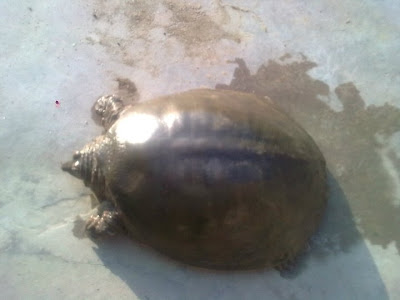
Native Indian Wildlife: It is absolutely illegal to catch, buy, sell or keep native Indian animals as pets under the Indian Wildlife Protection Act (1972). There are local species like the Indian star tortoise, Indian flapshell turtle, and local monitor lizards.
Foreign Animals: Exotic pets (animals which are native to other countries) can be kept, but the same must be declared properly through official government systems (like the PARIVESH Portal).
💡 Very Important Rule: Always buy from trusted, ethical breeders and never buy wild-caught native species.
🛡️ Want To Be Sure Your Exotic Pet Setup Is 100% Legal?
Avoid hefty fines or legal confusion under the Wildlife Protection Act.get full PARIVESH Registration & Legal Reptile Checklist (India Edition) to help you
✅ Complete list of legal and illegal species in India
✅ PARIVESH 2.0 PORTAL SUBMISSION GUIDE IN STEP-BY-STEP
✅ Documentation needed & breeder verification checklist
For your legal checklist and for your peace of mind, please contact me at paws.plus.scales@protonmail.com.
Plus, by subscribing and emailing, I will also add in a free basic guide for care and set up with Indian context and options from my end :)
Best Indian Homes Easy Care Turtles & Reptiles
Not all reptiles need huge tanks or complex care. Here is a list of the easiest and most popular species that pet lovers keep in India.
A. Red-Eared Slider Turtle (Trachemys scripta elegans)
Type: Turtle, water
Temperament: hardy, active, and good swimmer.
Care basics: Requires a large tank with plenty of swimming space and a dry dock landing area with proper heat and UVB lighting.
B. Leopard Gecko (Eublepharis macularis)
Type: Land Lizard
Personality: Quiet, low maintenance, active at night, and easy to keep.
Care Basics: They don’t require intense UVB lighting like diurnal lizards. They do okay in small enclosures with a basic heat pad and a moist hide.
C. Pogona vitticeps (Bearded Dragon)
Type: Lizard, Desert, Day
Personality: Very sociable, active, and inquisitive.
Care Basics: Needs a large enclosure with strong UVB lights, high basking warmth, and a healthy diet of live feeder insects and leafy greens.
Safe House & Tank Building
Reptiles are cold-blooded animals. They rely on the environment to regulate their body temperature. They need a warm side and a cool side in the tank to be healthy.
BASIC GEAR LIST:
Tank/Enclosure: Glass tanks or wooden enclosures built by a custom builder to fit the needs of your pet (tall tanks for climbing species vs. wide tanks for terrestrial dwellers).
Heating & Basking Lights: Use heat bulbs or ceramic heaters to create a warm zone and a cool zone in the tank.
UVB Lights: Crucial for your pet to absorb calcium and avoid weak bones (metabolic bone disease).
Bedding & Hiding Places: Safe flooring material (reptile carpet, coconut coir) and 2+ boxes for hiding (one on warm side, one on cold side).
Feeding Instructions: Basic
Diet Health: The diet varies with the type of reptile you own.
Plant & Green Eaters (Herbivores / Omnivores): Fresh greens and vegetables, with the occasional fruit and a calcium powder supplement.
Insect & Meat Eaters (Insectivores / Carnivores): Feed on live insects (like roaches or mealworms) or special turtle pellets for water turtles.
Refer to my full pet care guides
Want to know how to do a certain animal step by step? ► View all my guides
🦎🦎 Become a Paws Plus Scales Community member!
Get expert-backed care tips, habitat maintenance guides, and exclusive discounts on trusted Indian pet supplies, delivered to your inbox each week.
paws.plus@scales.protonmail.comws.plus.scales@protonmail.com
[ Subscribe for Free Care Guides ]